Updated: October 2025 — with a focus on multi-family and apartment applications
Protecting Your Home and Your Health from Mold Using Dehumidification
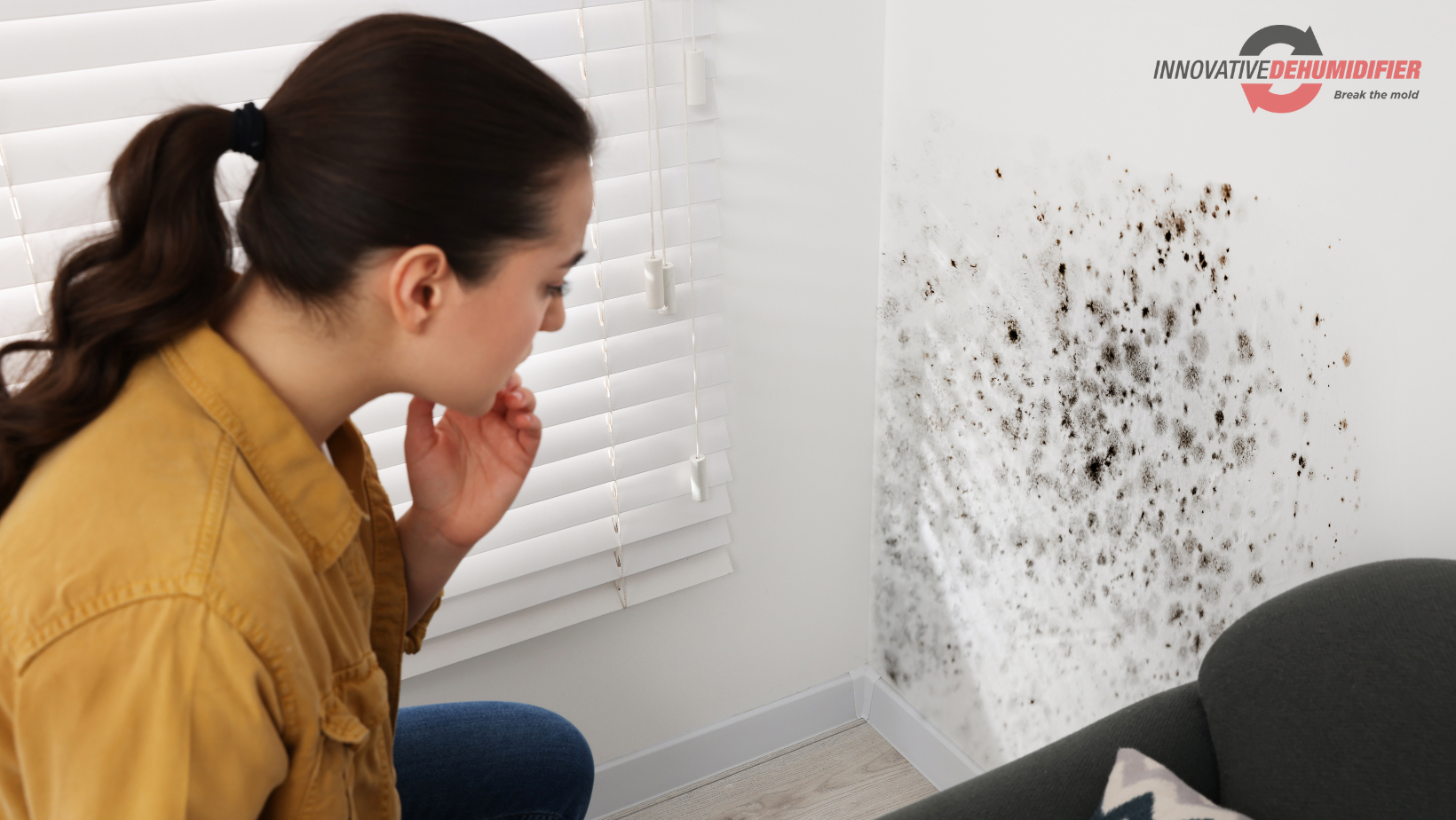
Mold isn’t just a cosmetic issue. Left unchecked, it damages property, threatens comfort, and creates costly maintenance problems for owners and managers. And while any home can experience mold, some building types — especially apartments and multi-family housing — are at much higher risk.
The good news? With the right dehumidification strategy, you can stop mold before it starts.
The Silent Menace: Mold and Its Impact
What Types of Homes Are Prone to Mold?
Older Homes
Older homes may have aging construction materials, poor insulation, or gaps in the building envelope. These weak points allow moisture to seep in, creating conditions where mold can thrive.
Homes in Humid Climates
Properties located in the Southeast, Mid-Atlantic, Gulf Coast, and other high-humidity regions experience long seasons of moisture stress. Without dedicated dehumidification, indoor RH often remains above 60%, which is ideal for mold growth.
Poorly Ventilated Homes
Bathrooms, kitchens, and laundry rooms that lack proper ventilation hold moisture in the air. Over time, that dampness settles into finishes and behind walls, giving mold a hidden place to spread.
Apartments & Multi-Family Housing
Multi-family buildings face unique risks:
- Shared walls and shafts allow moisture to migrate between units.
- Tight construction traps humidity indoors.
- Tenant behavior (or neglect) often leaves HVAC and mini-splits running inconsistently.
Because property managers can’t rely on tenants to empty buckets or operate portable dehumidifiers, permanent in-wall and wall-mounted systems are the most effective defense.
Why Humidity Control Matters
Mold spores are everywhere — but they only colonize when they find the right conditions: dampness, warmth, and poor airflow. Once mold takes hold behind drywall or under flooring, it spreads quickly and is costly to remediate.
- EPA guidance: Keep indoor relative humidity below 60% — ideally 30–50% — to minimize mold risk【EPA】.
- CDC guidance: For healthy indoor air, relative humidity should be kept ≤50% where possible【CDC】.
Most HVAC systems are designed to control temperature, not humidity. In high-load climates, they cannot reliably manage latent moisture — leaving properties vulnerable.
Industry Standards & Recommendations
Organizations in the building science and housing industries recognize the risk:
- North Carolina Building Performance Association (NCBPA) has recommended that affordable housing and tax-credit projects either:
- Install permanent supplemental humidity control, or
- At minimum, provide dedicated space, drain, and electrical hookups so dehumidifiers can be added later if needed.
These recommendations highlight how central humidity management has become in protecting property investments — particularly in multi-family housing.
Why Portable Dehumidifiers Fall Short
Relying on portable dehumidifiers in apartments or condos creates more problems than solutions:
- Buckets to empty (often ignored by tenants).
- Tampering or removal by residents.
- Noise and space issues in already compact living areas.
For property managers, this means inconsistent results and more maintenance calls.
Permanent In-Wall & Wall-Mounted Solutions
Innovative Dehumidifier Systems (IDS) designs purpose-built solutions for apartments, condos, and multi-family properties:
- IW-25-5 In-Wall/On-Wall Dehumidifier
- Fits directly into or onto walls
- Quiet, discreet, tamper-resistant
- Continuous drainage — no buckets to empty
Together, these units form a building’s “moisture defense system,” preventing mold before it can take root.
Take Action
Mold creeps in when you least expect it — but you don’t have to let it. By choosing the right dehumidification solution, you can:
- Protect property value
- Reduce maintenance costs
- Improve tenant satisfaction
Find a Distributor →
Talk to a Solutions Engineer →
References
North Carolina Building Performance Association (NCBPA): Comments on 2021 Qualified Allocation Plan
U.S. Environmental Protection Agency (EPA): Mold Resources
U.S. Centers for Disease Control and Prevention (CDC): Mold Basics
What are the reasons mold is an issue in home?
Mold is detrimental to your home for a variety of reasons. First and foremost, it can lead to structural damage by weakening materials like wood, drywall, and insulation, necessitating costly repairs. Additionally, mold poses health risks, as it produces allergenic substances and mycotoxins that can harm human health, causing respiratory issues, allergies, and skin irritations, especially in individuals with underlying health conditions. Mold growth often results in unpleasant, musty odors that can permeate your living space, making it less inviting and comfortable. The aesthetic appeal of your home is also compromised, as mold can leave stains on surfaces, negatively affecting its overall appearance and resale value. Moreover, mold reduces indoor air quality as its spores become airborne, potentially causing health problems and discomfort for occupants. It can contaminate household items, making them difficult to clean or leading to permanent damage. Therefore, it is crucial to promptly address and prevent mold issues through proper cleaning, moisture control, and ventilation measures to maintain a safe and healthy living environment.
Types of Homes Prone to Mold Growth:
Older Homes:
Older homes can be more susceptible to mold growth because older homes have more airflow through light switches, window frames, doors, etc. These structures often lack the ventilation and moisture control features found in newer homes. Additionally, the wear and tear of time can lead to cracks, leaks, and disintegration of insulation and more entry points for high humidity, creating ideal conditions for mold to thrive.
Homes in Humid Climates:
Homes located in regions with high humidity levels, such as coastal areas or tropical regions, are more prone to mold growth. The constant exposure to moisture in the air creates an environment where mold can flourish.
Homes with Water Intrusion Issues:
Homes that have a history of water intrusion problems, whether due to leaky roofs, plumbing issues, wet basements or flooding, are at a high risk of mold growth. Once moisture infiltrates the building materials, mold can begin to proliferate rapidly.
Newly Constructed Homes/ Poorly Ventilated Homes:
Construction of homes today is tight, minimizing air flow. Although this is good for energy conservation, the lack of ventilation doesn’t provide fresh air circulation or a way for built-up humidity to escape. As a result, moisture becomes trapped inside a home, increasing the risk of mold growth. Homes that lack proper ventilation in areas like bathrooms, kitchens, and basements are especially susceptible to the impact of mold.. Newly constructed homes often experience an increased risk of mold issues due to the tighter construction and reduced air flow in modern building practices. Tighter seals and improved insulation trap moisture and humidity inside the home, leading to condensation on surfaces and within wall cavities. Additionally, the reduced air flow can result in stagnant air, allowing mold spores to proliferate unchecked. Inadequate ventilation systems and airtight designs can make it challenging for moisture to escape, making it essential for homeowners to implement proper ventilation and moisture control measures to prevent mold growth in these tightly constructed homes.
Why Dehumidification Is the Solution:
Dehumidification is a highly effective solution for preventing mold growth in homes due to its ability to control and reduce the moisture levels in indoor spaces. Mold requires moisture to thrive, and by maintaining optimal humidity levels, typically between 30% and 50%, you can create an environment that is less conducive to mold growth. Dehumidification can reduce the risk of mold in a number of ways.
Reduces Excess Moisture:
Dehumidifiers work by extracting excess moisture from the air, maintaining optimal humidity levels. By doing so, they create an environment less conducive to mold growth. When the air is drier, mold spores struggle to settle and reproduce, effectively protecting your home from mold.
Prevents Mold Spore Activation:
Mold spores are ubiquitous in the environment, but they require moisture to become active and grow into colonies. Dehumidifiers help keep humidity levels low, discouraging spore activation and inhibiting mold’s ability to thrive.
Protects Your Health:
Mold can release allergenic and mycotoxin substances that can be harmful to your health. By reducing mold growth through dehumidification, you create a healthier indoor environment for you and for your family. Understanding the health issues related to mold is crucial to creating a safer and more suitable living condition in your home. Click here to learn more!
Preserves Your Home:
Mold can cause extensive damage to building materials, leading to costly repairs. Dehumidification not only prevents mold growth but also preserves the integrity of your home’s structure and furnishings. By using a dehumidifier in your home to drop humidity levels and protect against the dangers of mold, you can kill two birds with one stone. When purchasing expensive furniture or home appliances, protecting them should be a priority and it can be easy with the help of dehumidification.
Embrace Dehumidification
Mold growth is a significant concern for homeowners, and certain types of homes are more susceptible to this problem due to various factors like age, climate, and ventilation issues. Dehumidification is a proactive and effective solution to combat the impact of mold and improve indoor air quality.
Investing in dehumidifier systems can make a substantial difference in maintaining a mold-free and healthy home environment. By controlling humidity levels, you not only protect your health but also safeguard the longevity of your home. In some states such as Virginia, Maryland and North Carolina, the EPA recommends dehumidification to control mold growth. This goes to show that dehumidification is becoming more and more important with modern construction. The NCBPA has a requirement that states all HVAC units must have a dedicated space, drain, and electrical hook-ups for permanent supplemental dehumidification systems to be installed if needed. North Carolina, Virginia, Maryland and other states also offer tax discounts for dehumidification in low income housing. Innovative Dehumidifier Systems offers a wall mounted unit compatible with almost any home construction, new or old. Don’t wait until mold becomes a problem; take proactive steps to ensure a comfortable and mold-free living space for you and your loved ones.
References:
- https://www.bobvila.com/slideshow/14-surprising-places-where-mold-hides-in-the-home-51862
- https://www.healthline.com/health/mold-in-house#symptoms-of-exposure
- https://www.inspireusafoundation.org/is-poor-ventilation-dangerous/
- https://www.innovativedehumidifiers.com/innovative-dehumidifier-systems-the-science-behind-dehumidifiers/
- https://www.ice-energy.com/how-humidity-affects-homes/
- https://www.servicemasterbyzaba.com/blog/mold-in-new-construction/
- https://www.ice-energy.com/how-humidity-affects-homes/
- https://www.nchfa.com/sites/default/files/page_attachments/21NCBuildingPerformanceAssociation.pdf