Featuring IW25-5 In-Wall & On-Wall Wall-Mounted Dehumidifiers
Comfort isn’t just about temperature—it’s also about moisture. Even when the AC is off, everyday living (showers, cooking, laundry), warm rainy spells, and vacancy gaps (condos/STRs) can push indoor humidity higher than you want. The simplest way to keep rooms feeling fresh year-round is to hold a steady ~40–50% RH with independent dehumidification.
Why humidity control matters—beyond summer
- More consistent comfort: Stable RH helps rooms feel the same day to day—no “heavy” air.
- Fewer condensation episodes: Mild, wet days can fog windows and chill surfaces; steady RH reduces those swings.
- Protection for finishes & furnishings: Flooring, cabinetry, instruments, and stored items all prefer stable moisture.
Quick target: Start at ~45% RH. Nudge down a couple of points if you see window fog on mild wet days; nudge up slightly if winter feels too dry.
AC and heat don’t solve humidity year-round
Air conditioning removes moisture only while cooling. When heat is on—or in shoulder seasons when the AC rarely runs—there’s little or no dehumidification happening through the HVAC. That’s why a dedicated dehumidifier is the reliable path to a stable setpoint.
The wall-mounted solution for modern spaces: IW25-5
For condos, townhomes, ADUs, finished basements, bonus rooms, and short-term rentals—places where duct access is limited—the IW25-5 series delivers quiet, tankless, set-and-forget control inside the living space.
Two install styles—same core benefits:
- IW25-5 In-Wall: Recessed, built-in aesthetic that blends into hallways and living areas.
- IW25-5 On-Wall: Surface-mounted flexibility for fast retrofits or when you can’t open walls.
Shared advantages (both models):
- Independent, automatic control of RH—no reliance on AC cycles
- Tankless drainage (gravity drain or condensate pump)—no buckets to empty
- Quiet operation suitable for living areas and corridors
- Simple service with accessible filtration
- Bi-polar ion generator included on both models
Where to place a wall-mounted dehumidifier
- Central hallway or shared living zone so the unit “sees” the most air
- Keep a return path open (avoid dead-end rooms with doors always shut)
- Plan a reliable drain route (gravity when possible; use a condensate pump when needed)
In-Wall vs. On-Wall: quick chooser
| If you value… | Choose… | Why |
|---|---|---|
| A clean, built-in look during remodels | In-Wall | Flush finish; ideal when you have wall access/depth |
| Speed and minimal disruption | On-Wall | Surface mount; great for retrofits and STR turnovers |
| Piloting in a few units before standardizing | On-Wall | Faster to install, easy to replicate |
| HOA/board standardization with long-term aesthetics | In-Wall | Consistent appearance across units |
A simple RH plan for year-round comfort
- Set ~45% RH and let the unit run automatically.
- Holiday spike playbook:
- Before guests: pre-run a few hours.
- During: use bath/kitchen exhausts while showering/cooking.
- After: let the unit run 12–24 hours to smooth the moisture hangover.
- Vacancy gaps (condos/STRs): Keep your setpoint active between stays—no need to run AC.
- Airflow habits: Crack closet doors; avoid over-packed storage so air circulates.
Install & maintenance notes
- Drainage: Verify a clean, serviceable path to an approved drain; add a pump when gravity isn’t available.
- Electrical & clearances: Follow product specs; leave room for filter service.
- Care: Periodic filter checks plus a quick annual look-over keep performance steady.
What about crawlspace/basement units?
They’re excellent for large unfinished spaces and ground moisture. But for living-space RH stability—especially in condos, townhomes, and finished rooms—wall-mounted in-unit control with the IW25-5 is typically the better tool.
Bottom line
To maximize comfort, hold humidity steady—not just temperature. The IW25-5 In-Wall and IW25-5 On-Wall dehumidifiers give condos, townhomes, ADUs, and STRs a quiet, tankless, set-and-forget way to maintain ~40–50% RH all year—even when the AC is off.
Next steps (IDS does not sell direct):
Connect with an authorized distributor/installer to size and place the right IW25-5 configuration for your property: InnovativeDehumidifiers.com | (910) 463-9355
The indoor comfort of your home or property can easily be improved by controlling the amount of moisture in the air. High humidity makes air feel warmer than the displayed thermostat temperature. For most people, the ideal humidity for homes and other properties falls between 30 – 50% RH. On the other hand, high humidity levels will not only be uncomfortable, but will also make it easier for mold to reproduce. Once mold begins to grow, it can spready quickly and appear almost anywhere.
Here, we share some tips for controlling humidity in houses and other properties.
What Causes High Humidity in a House?
- Bathing | people and pets
- Cooking | boiling water, steaming vegetables, making coffee
- Cleaning | mopping floors, scrubbing bathrooms, wiping countertops
- Laundering | washing and drying clothes
- Other | breathing, perspiration and watering plants
Balancing Thermal Comfort
Humidity will affect the comfort of your home or property year-round, and indoor humidity management for every season will increase thermal comfort. Simply put, thermal comfort is the feeling when someone is not too hot or too cold.1 Many people associate thermal comfort directly with air temperature, but there are a variety of factors to consider including movement, clothing, and personal preference.
ASHRAE 55 defines comfort as “combinations of indoor space environment and personal factors that will produce thermal environmental conditions acceptable to 80 percent or more of the occupants within a space.”2 Since thermal comfort is subjective, personal expectations have the largest effect on comfort. In other words, while the best humidity level for home environments is 30 – 50% RH, exactly where your property should fall within that range is up to you.
What Is a Comfortable Humidity Indoors?
While you may not be able to put a number on it without first measuring it via a hygrometer, you can probably determine your indoor humidity comfort range by feel. During summer, you’ll want to remove humidity from home environments, allowing the indoor temperature setting to be raised which will directly offset the cost of energy consumed to remove moisture. In other words, indoor air feels cooler with less humidity. For comfortable indoor humidity during the summer months, interior relative humidity should never exceed 60%. (See Figure 1, below)
With that in mind, it’s still important to maintain RH during cooler months because cold air holds less moisture before it becomes saturated. This means in winter months the relative humidity level in houses and other properties should be kept as low as possible, but always above 30%.
Indoor Humidity Comfort Chart
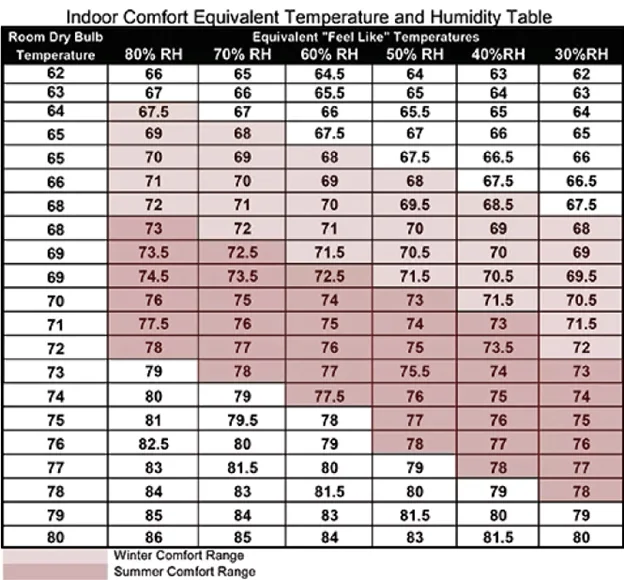
Figure 1: During summer months, high humidity makes air feel warmer than the temperature displayed on a thermostat.3
———————————————————————————-
Once moisture enters a building, effort is required to remove humidity from home environments.
Supplemental dehumidification will complement the capabilities of any cooling system to keep indoor humidity levels consistent. In 2012, Innovative Dehumidifier Systems designed a hands-free dehumidifier to help resolve the problems associated with high humidity in multi-family apartments. Since its creation, the benefits have been applied to a range of properties including student housing, military homes, senior living, hotels, historic buildings, luxury condominiums, and more. The wall-mounted dehumidifier can remove up to 29.5 pints of moisture per day in smaller spaces. IW25 IN Wall Dehumidifier/On Wall Dehumidifier includes a lock-out control system; a digital RH control is concealed behind a tamper-proof cover, eliminating tenants’ control of dehumidification. Innovative Dehumidifier Systems offers hands-free indoor humidity management, with hands-on customer service.
Sources
- Thermal Comfort https://www.sciencedirect.com/topics/earth-and-planetary-sciences/thermal-comfort
- Exploring thermal comfort acceptance criteria in energy modeling https://www.ashrae.org/File%20Library/Conferences/Specialty%20Conferences/2018%20Building%20Performance%20Analysis%20Conference%20and%20SimBuild/Papers/C036.pdf
- How Humidity Affects Comfort https://www.contractingbusiness.com/service/article/20871274/how-humidity-affects-comfort